Hand saws
Japanese pull saws explained: ryoba, dozuki and kataba
Japanese saws cut on the pull stroke. That single difference drives everything else about how they are built and how they behave.
Why the pull stroke matters
Pushing a saw puts the plate in compression, so it must be thick enough not to buckle. Pulling puts it in tension, where thickness is irrelevant to stability. A Japanese plate can therefore be 0.3–0.6 mm where a Western panel saw is 0.9 mm or more.
The result is a kerf roughly half as wide. Half the material removed means roughly half the effort, and a thin kerf is easier to steer accurately.
Ryoba: the general-purpose saw
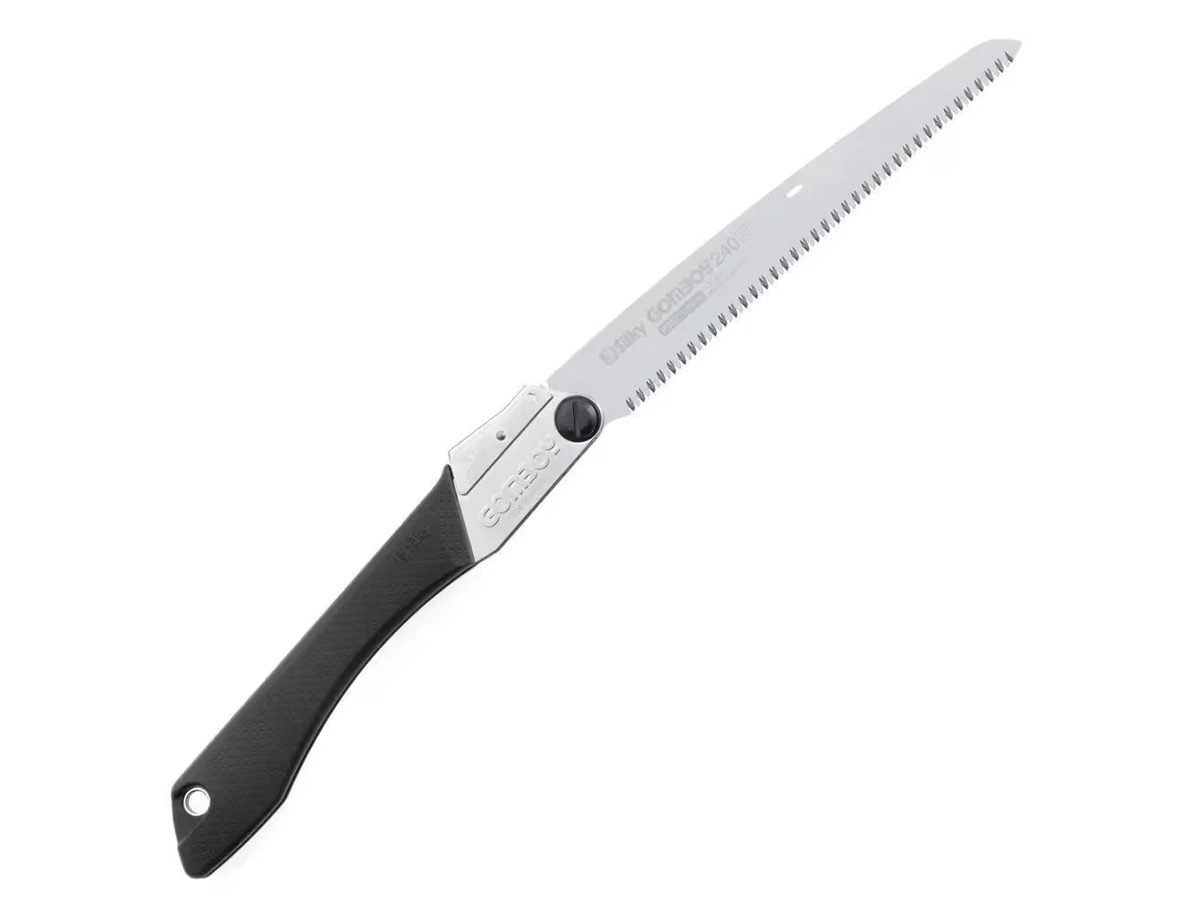
Two edges on one plate: coarse rip teeth for cutting along the grain, finer crosscut teeth for cutting across it. If you own one Japanese saw, it should be this.
The most common mistake is using the wrong edge. It shows up instantly as a saw that feels like it is fighting you.
Dozuki: the joinery saw
A folded brass or steel spine holds a very thin plate rigid, which is what lets a dozuki cut a 0.3 mm kerf dead straight. This is the saw for dovetails, tenon shoulders and anything where the line matters more than the speed.
The spine limits depth of cut to the gap between teeth and back. Typically 60 mm. Deeper than that and you need a kataba.
Kataba: single edge, unlimited depth
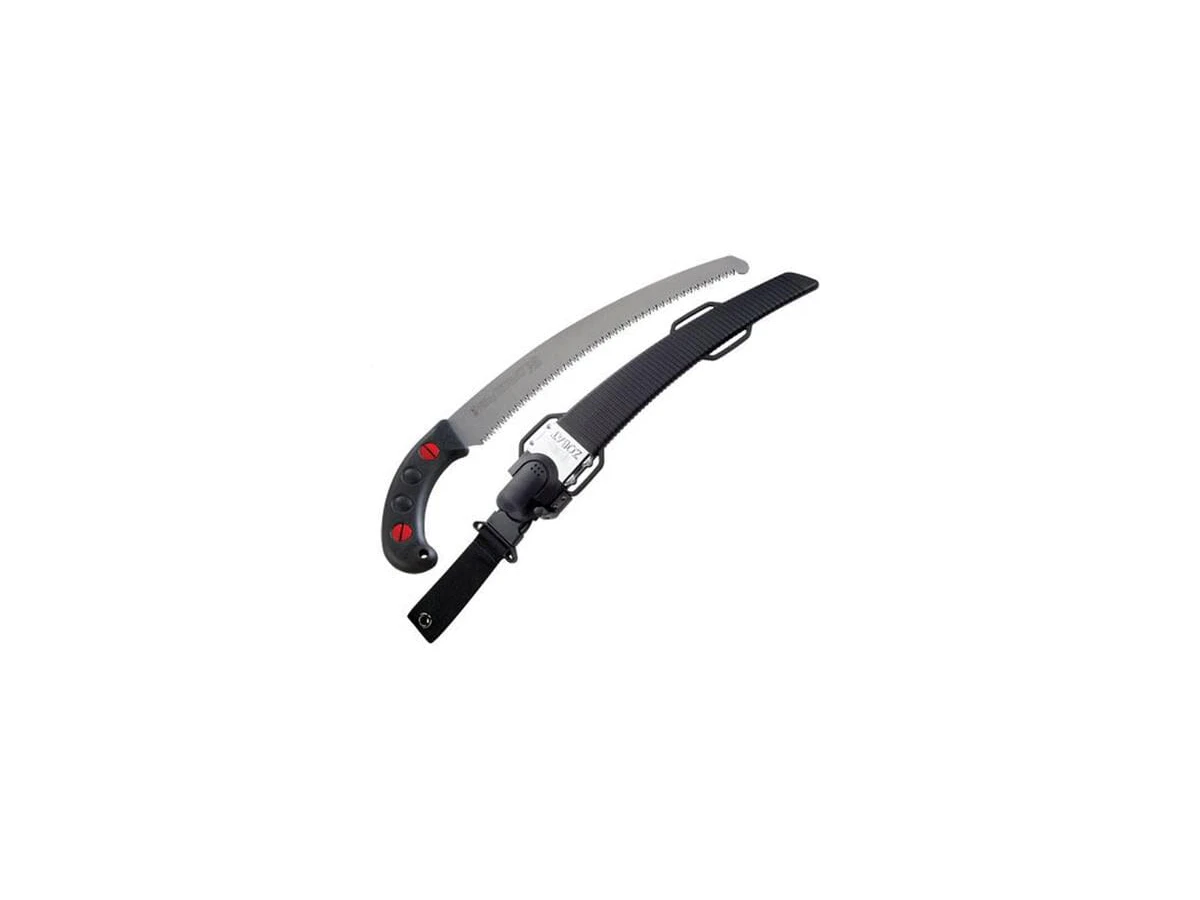
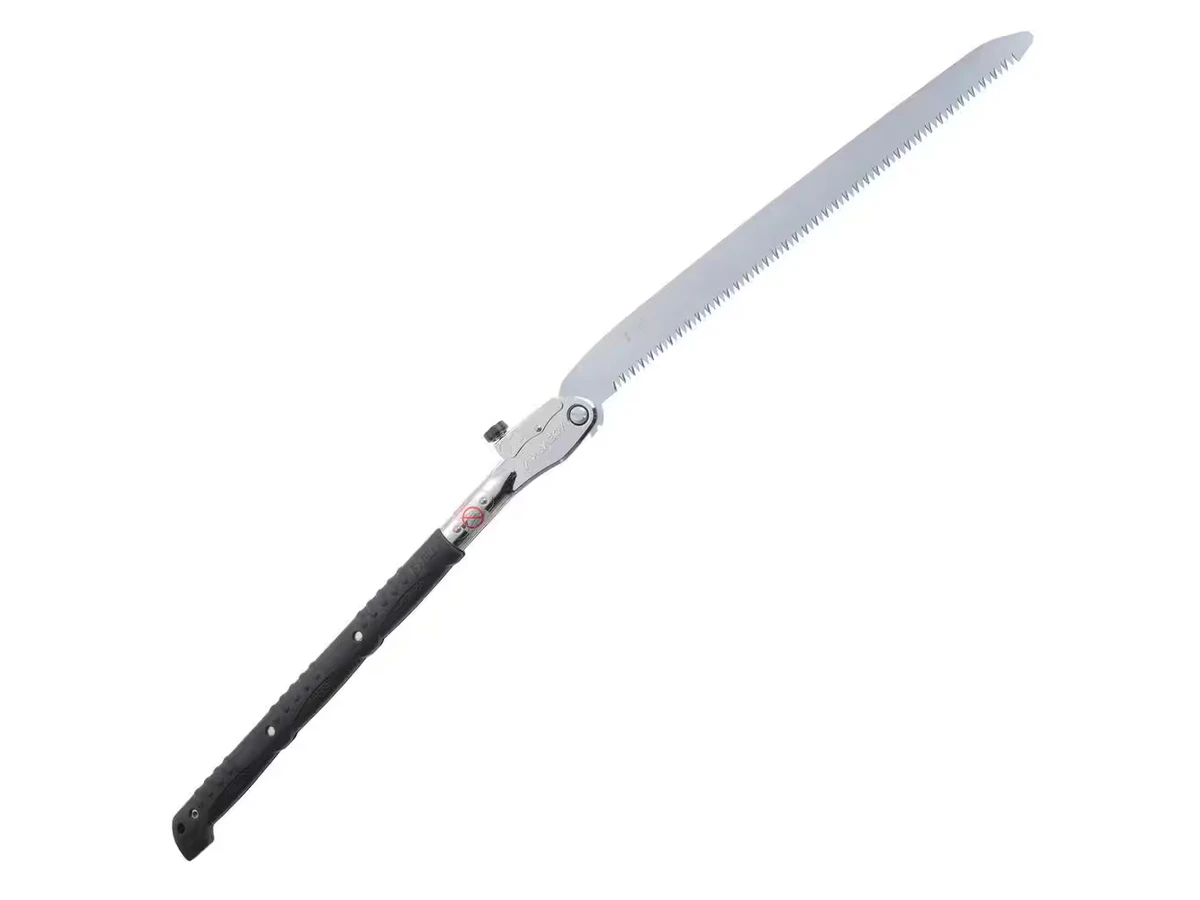
One toothed edge, no spine. Cuts as deep as the plate is wide. Less rigid than a dozuki, so it takes more control, but it goes where a backed saw cannot.
Impulse-hardened teeth are consumable
Most modern Japanese saws have induction-hardened teeth, visibly darker than the rest of the plate. They stay sharp several times longer than an unhardened tooth. They also cannot be filed. When the blade is finished you fit a new one.
This is why replaceable-blade saws dominate. Standardise your shop on one blade pattern, keep a spare in the drawer, and you will never work with a dull saw.
How we write these. Guides are written by the people who pick and specify these tools. We sell the products mentioned, and we say so, but where the honest answer is that a cheaper tool does the job, that is what the guide says. If you think something here is wrong, tell us at support@exelproddistribution.com and we will correct it and note the change.